We tend to think of event photography as a technical discipline—a matter of shutter speeds, lighting rigs, and perfectly staged poses. We imagine a photographer standing back with a clipboard checklist, neatly ticking off required moments like a corporate auditor.
However, step behind the lens of an intensive cultural celebration, and you quickly realize that master event photography is less about technical perfection and more about fast-paced adaptability, acute situational awareness, and deep emotional intelligence. Behind every polished final album is a photographer quietly navigating rapid multi-venue logistics, negotiating unexpected chapel rules, and chasing elusive, unscripted human connection. Here are three key insights hidden beneath the surface of photographing a quinceañera that reveal how to navigate high-stakes moments and capture authentic human connection.
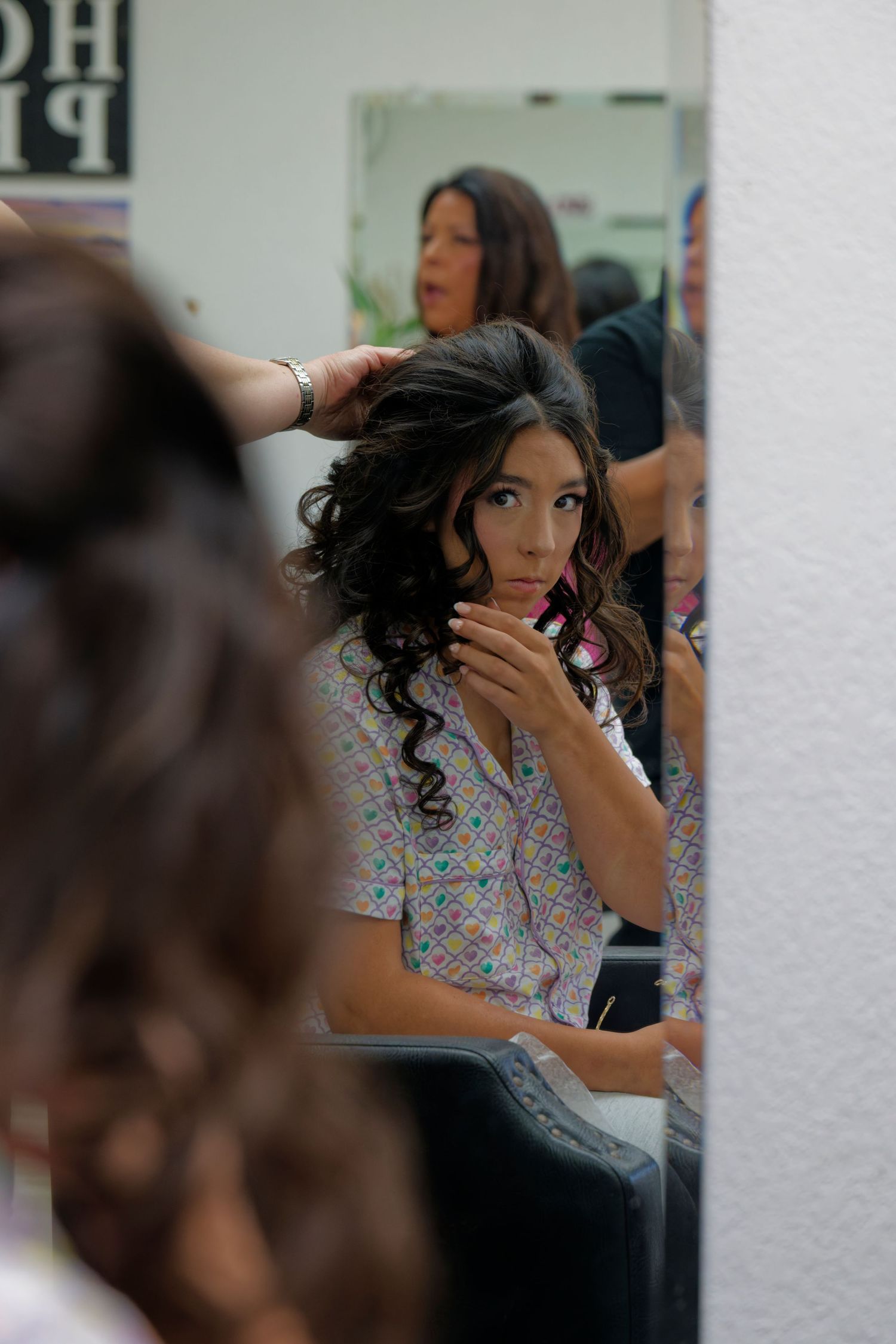
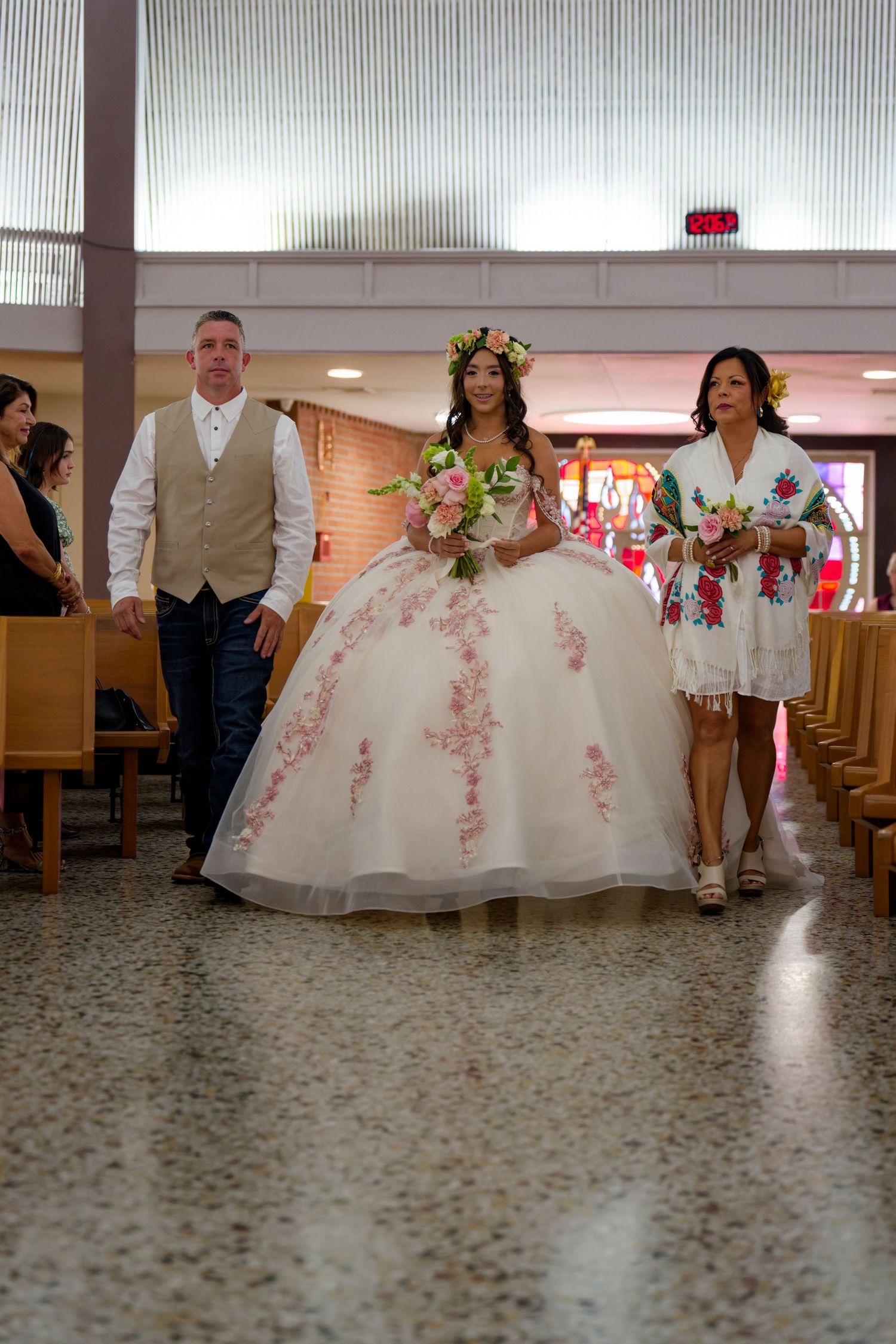
1. Logistics Don't Limit Creativity—They Enable It
The biggest challenge in photographing a major milestone like a quinceañera rarely happens during the actual party. It happens hours beforehand, during the complex logistical scramble of tracking multiple shifting locations—from getting-ready suites and portrait spots to formal church altars and bustling reception halls. We often view logistical planning and creative execution as opposing forces. We assume strict schedules and constant location shifts stifle creative spontaneous energy. In reality, mastering logistics creates the exact psychological bandwidth required to be present. When a photographer settles all venue parameters and timeline details ahead of time, their mind is freed from procedural worry, allowing them to focus entirely on visual storytelling.

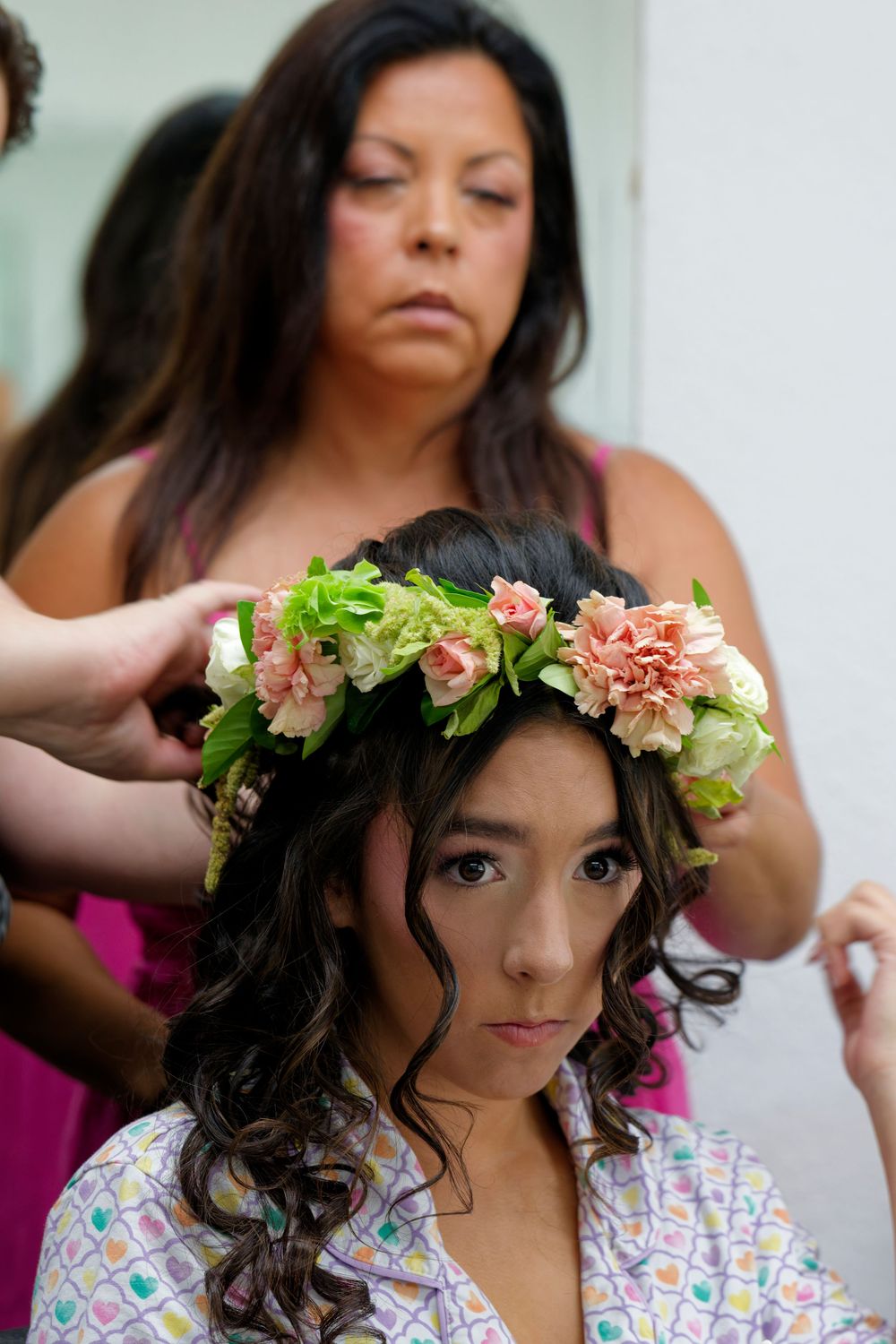
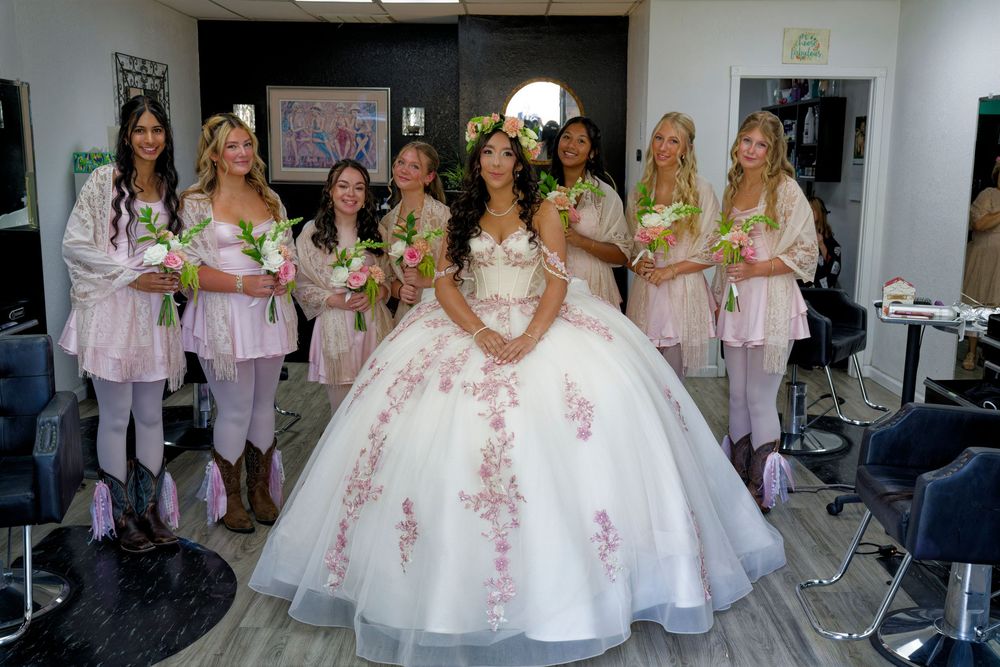
2. Adaptation and Rules form the Crucible of Quick Thinking
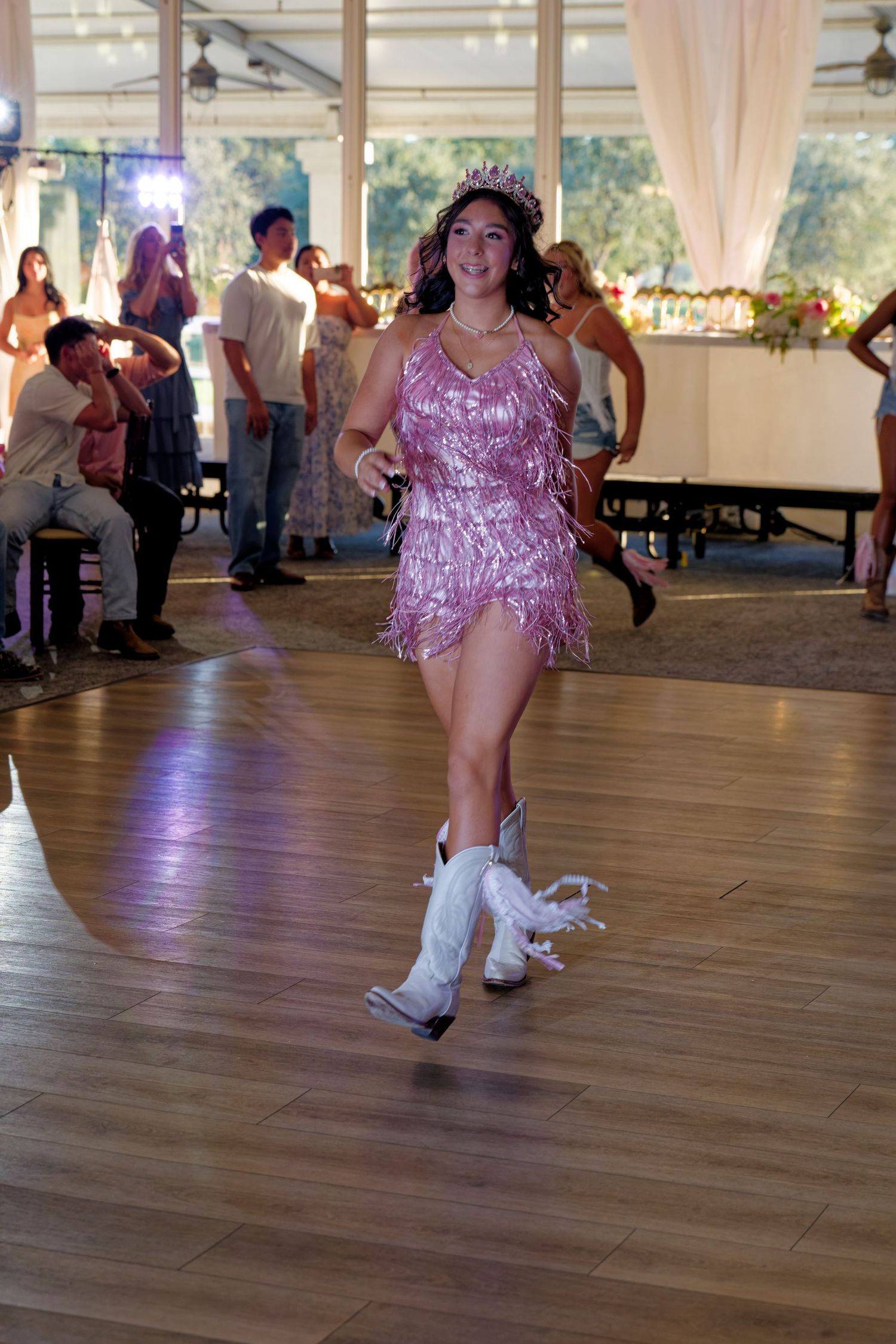
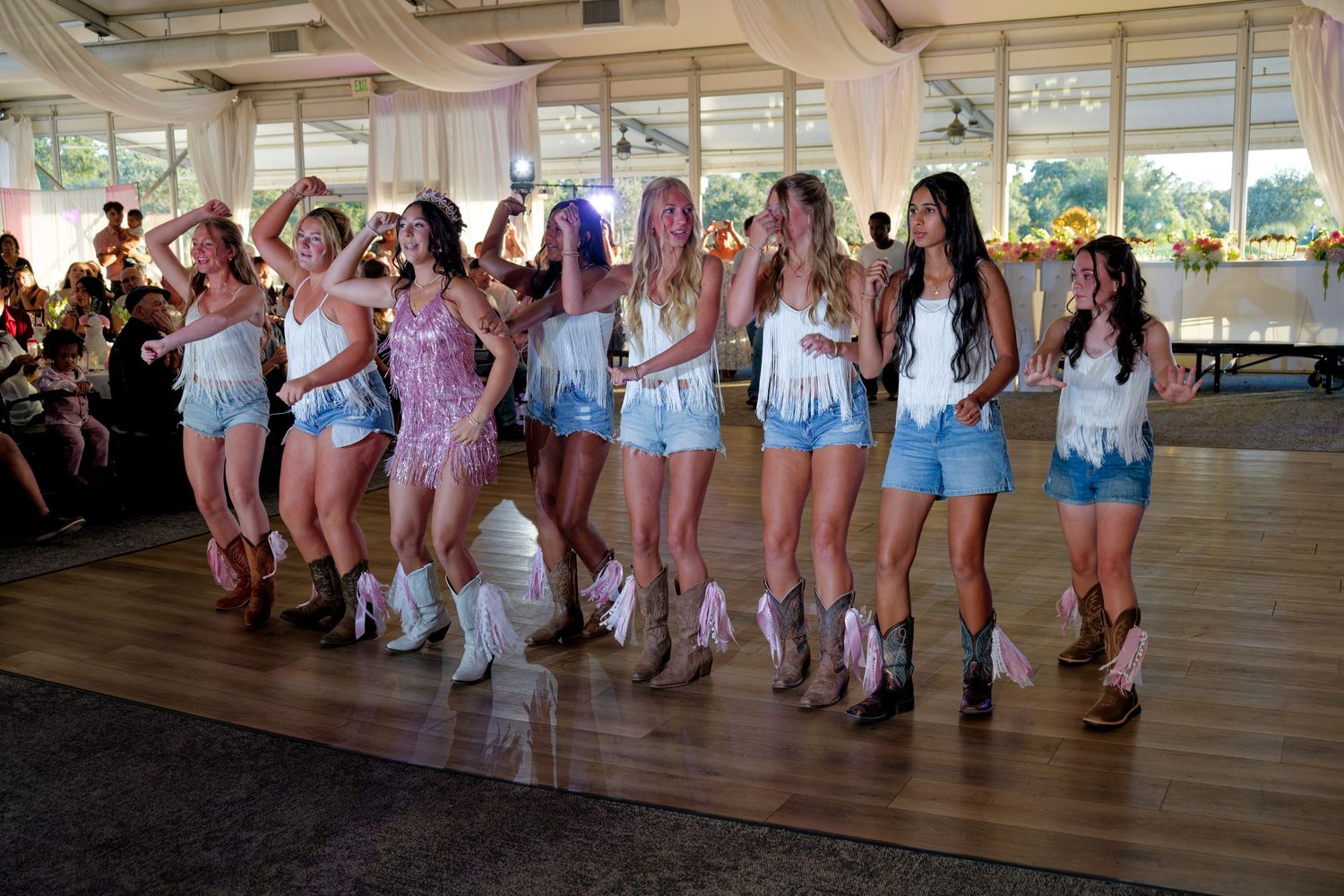
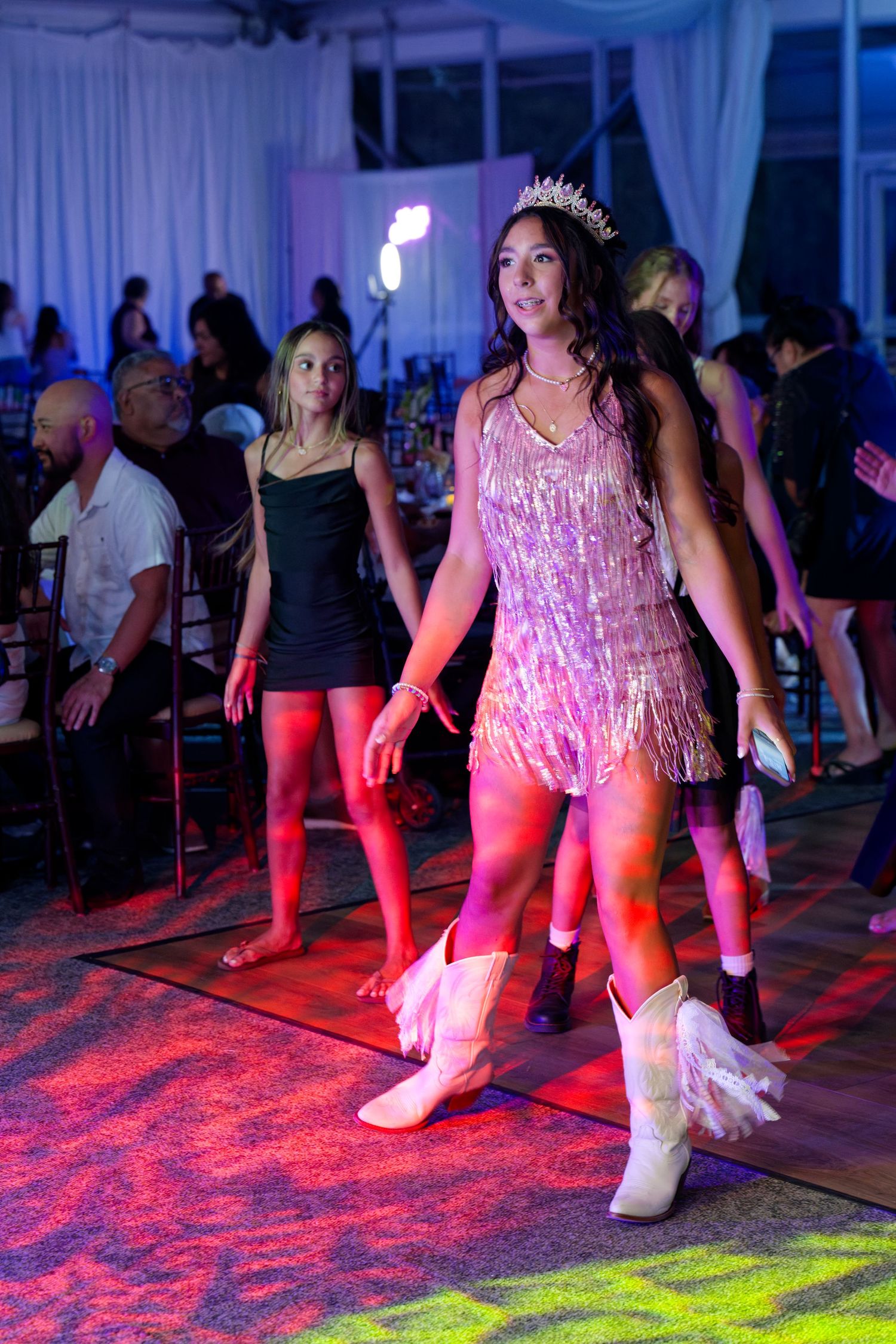
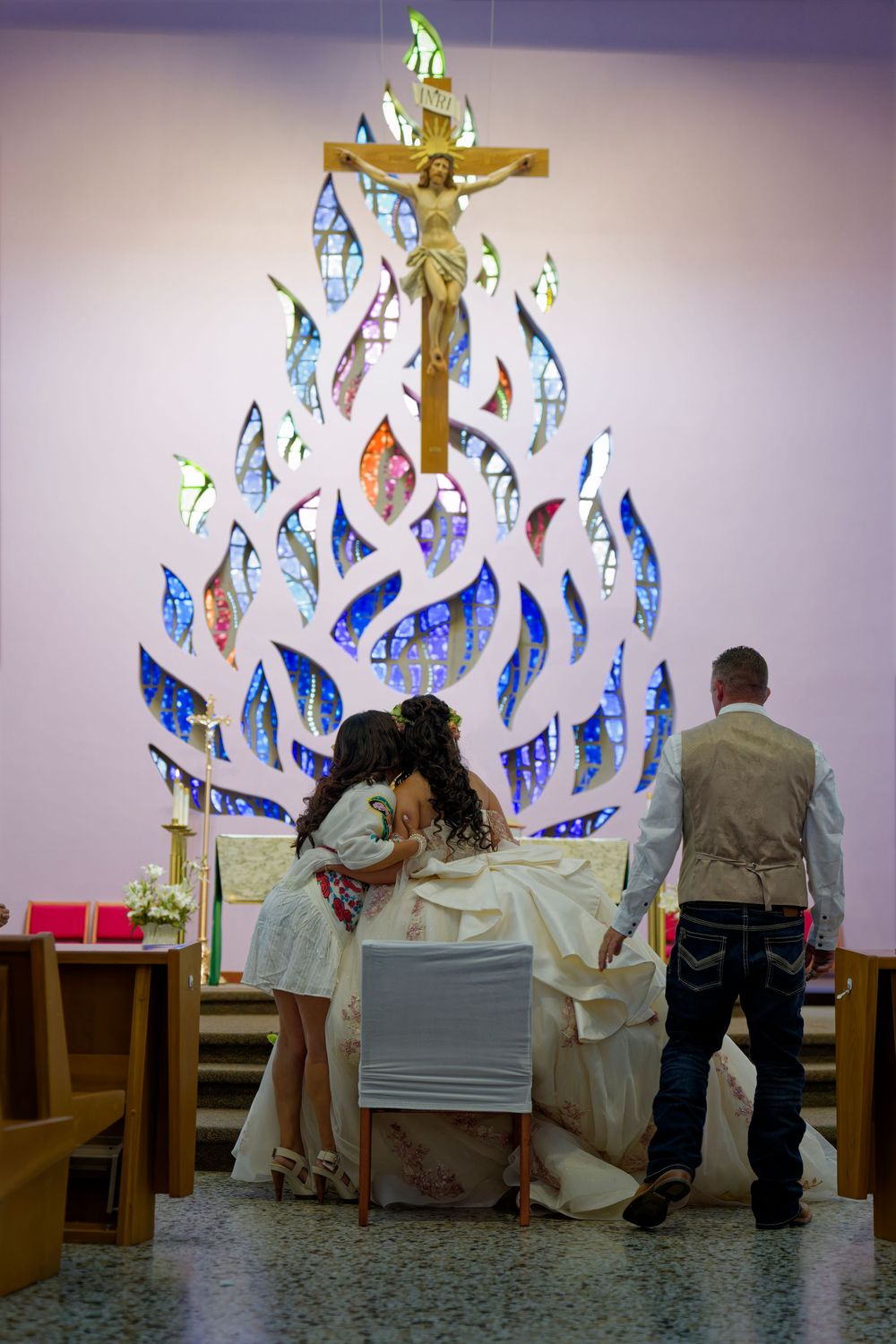
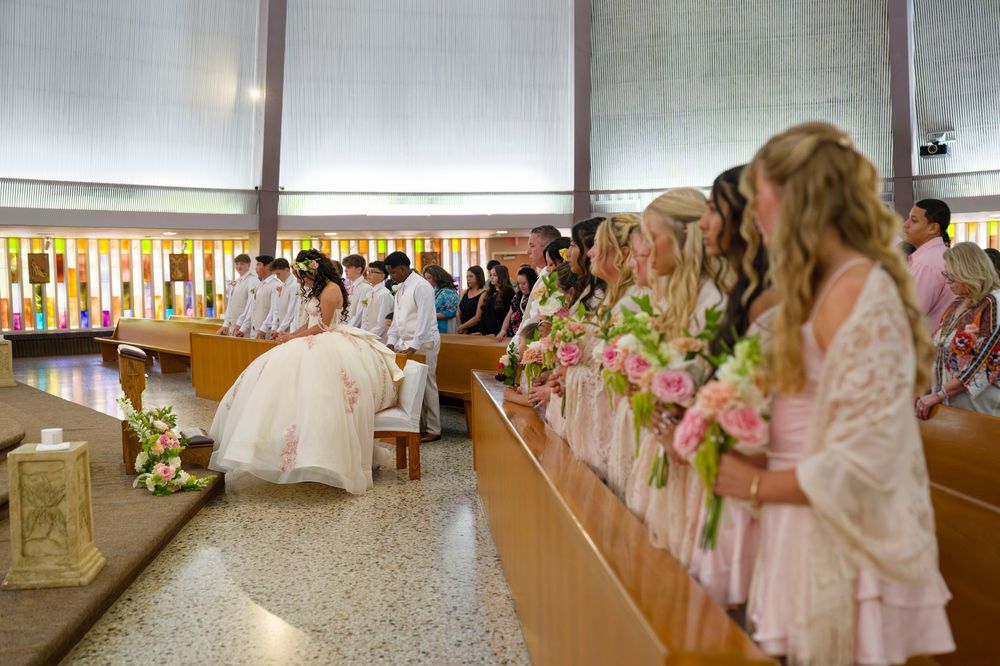
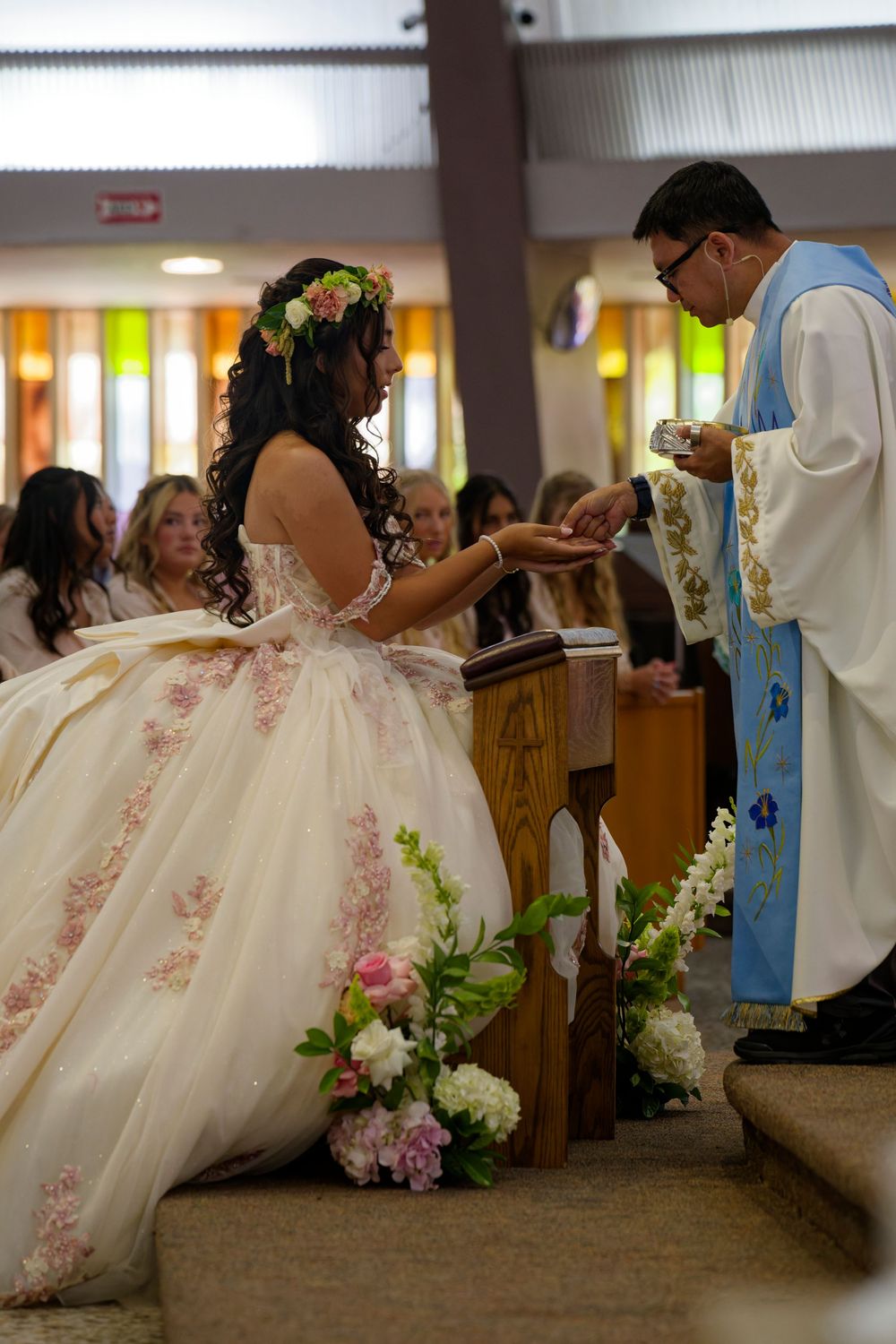
Few environments shift as dramatically as a milestone celebration. In a matter of minutes, a photographer moves from a strictly regulated, quiet church environment to a chaotic, high-energy party venue filled with ambient light, loud music, and fast-moving crowds. Creativity under constraint is a powerful theme here. Rather than viewing chapel restrictions or sudden venue layout changes as obstacles, the best photographers view them as boundary lines that force fast-paced innovation. Respecting rules while maintaining visual line-of-sight requires rapid decision-making and quick environmental analysis. The lesson extends far beyond photography: true mastery isn't about controlling every variable; it's about pivoting seamlessly within the constraints you are given.
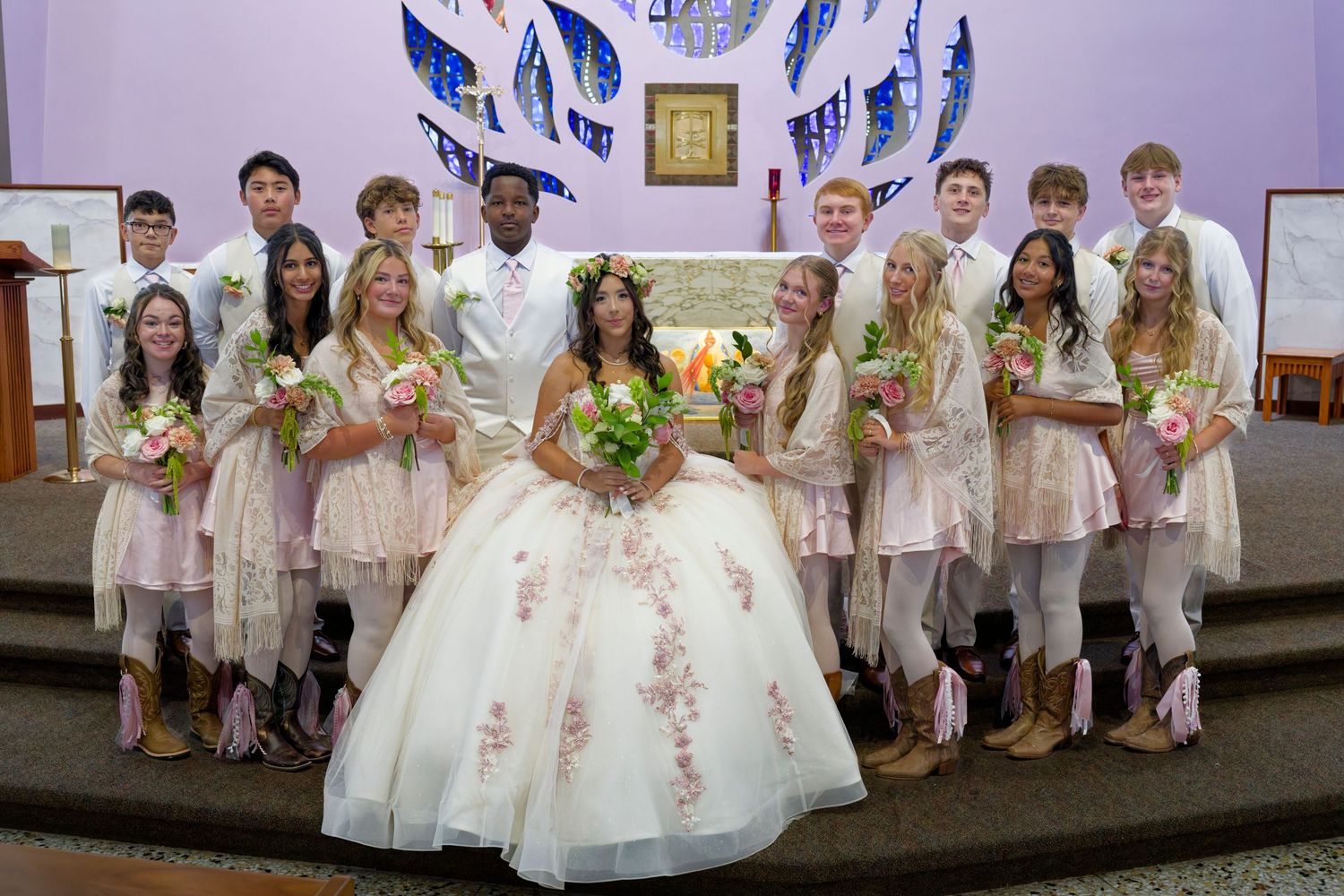
3. The True Value Isn't the Decor—It's the Unscripted Intimacy
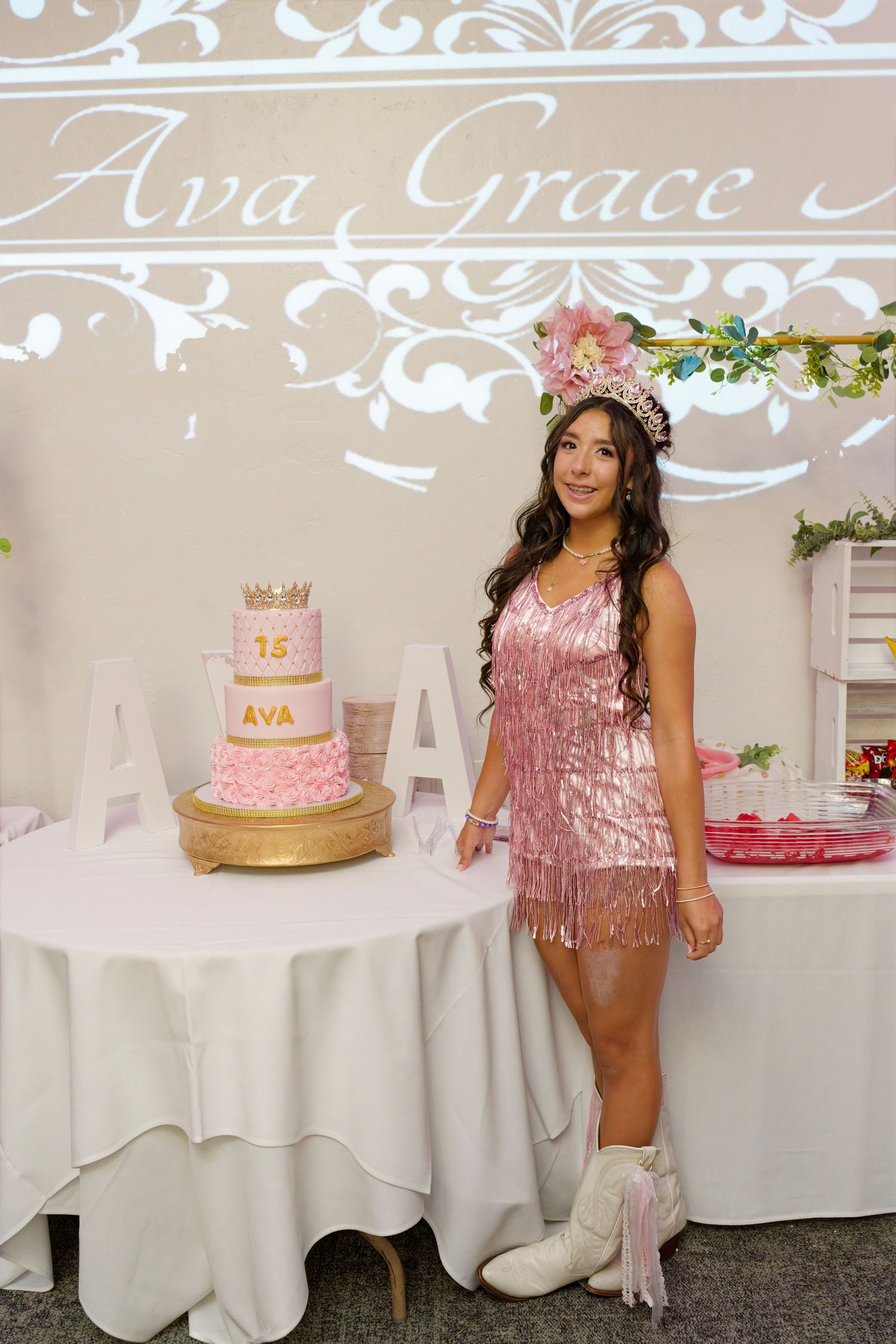
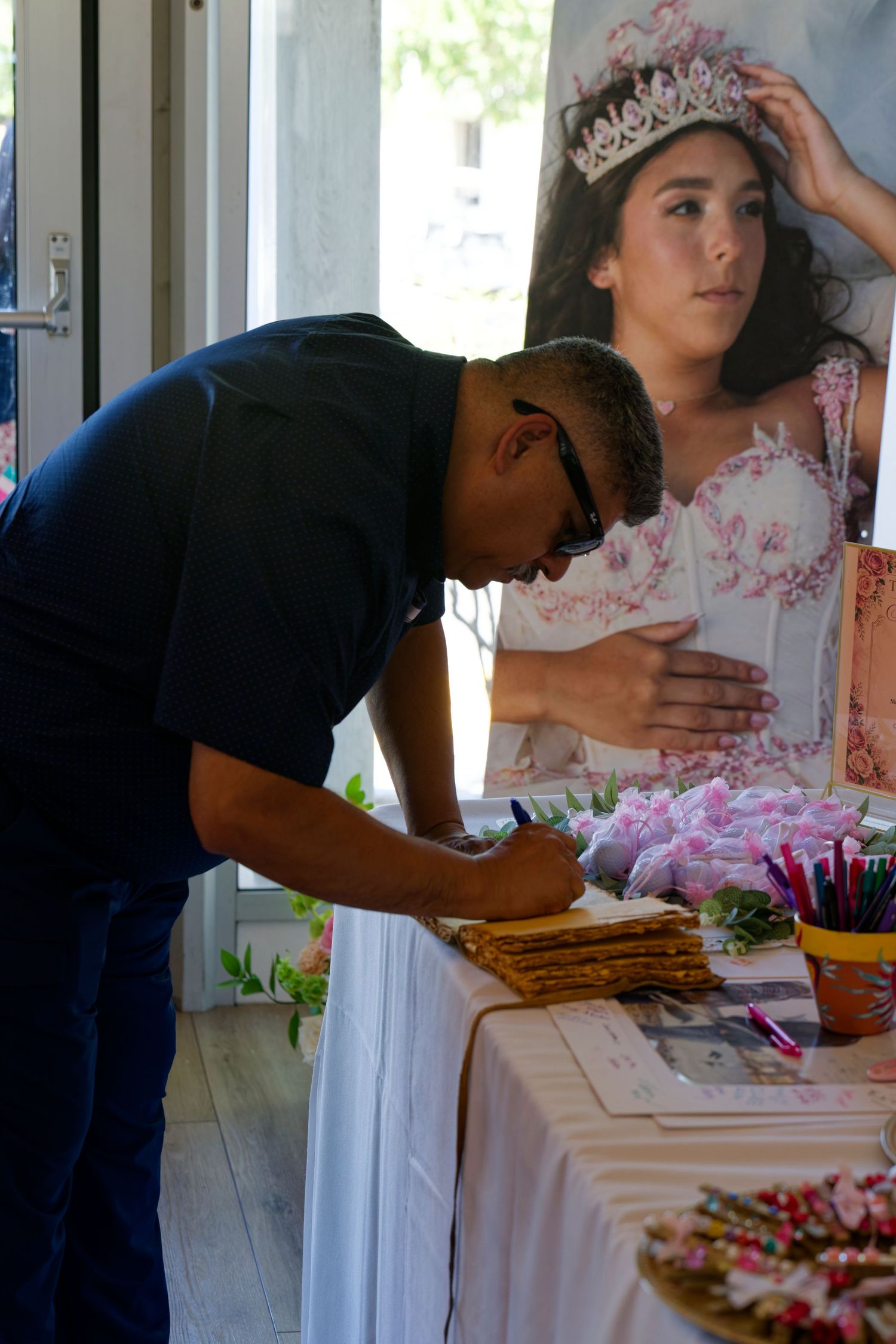
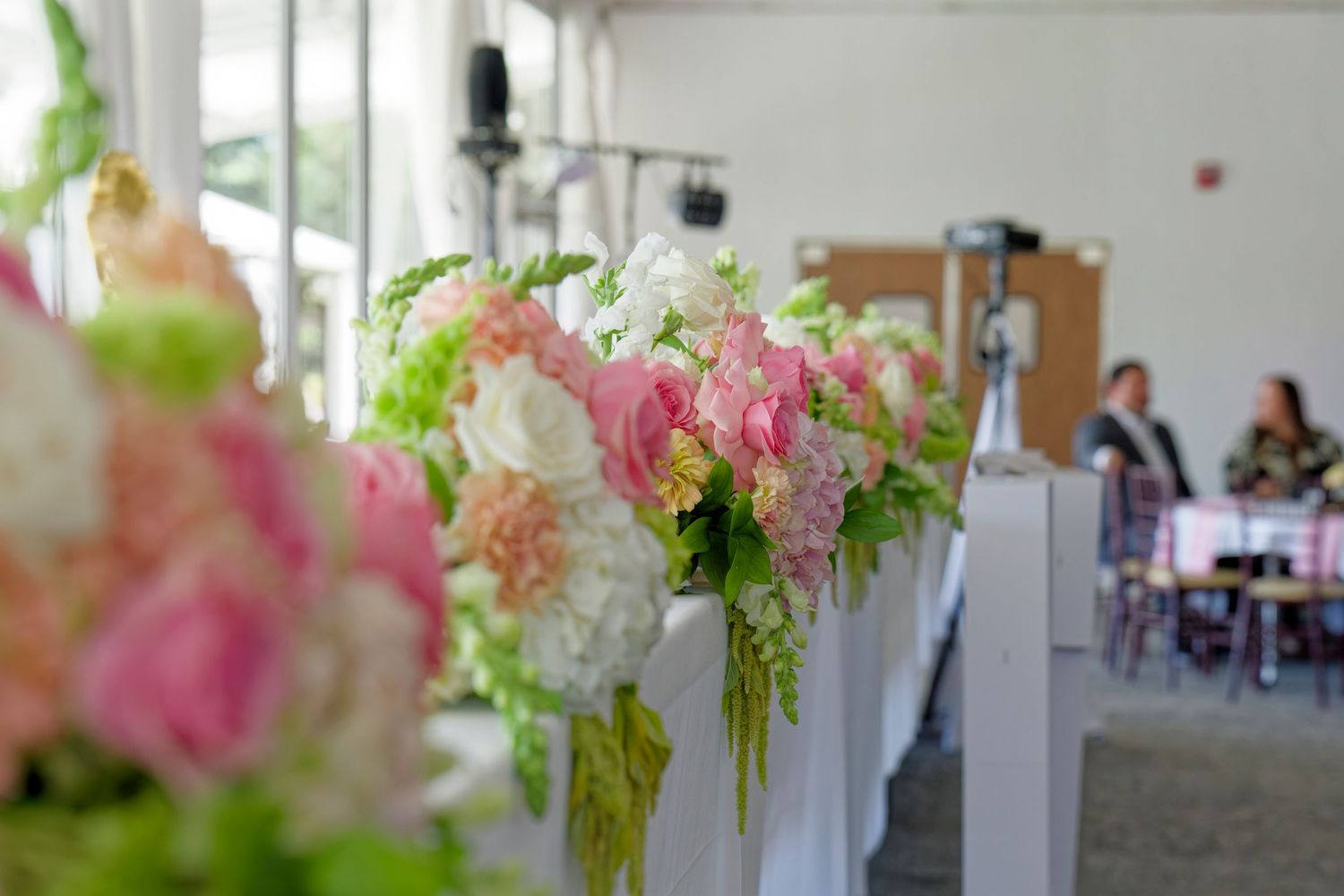
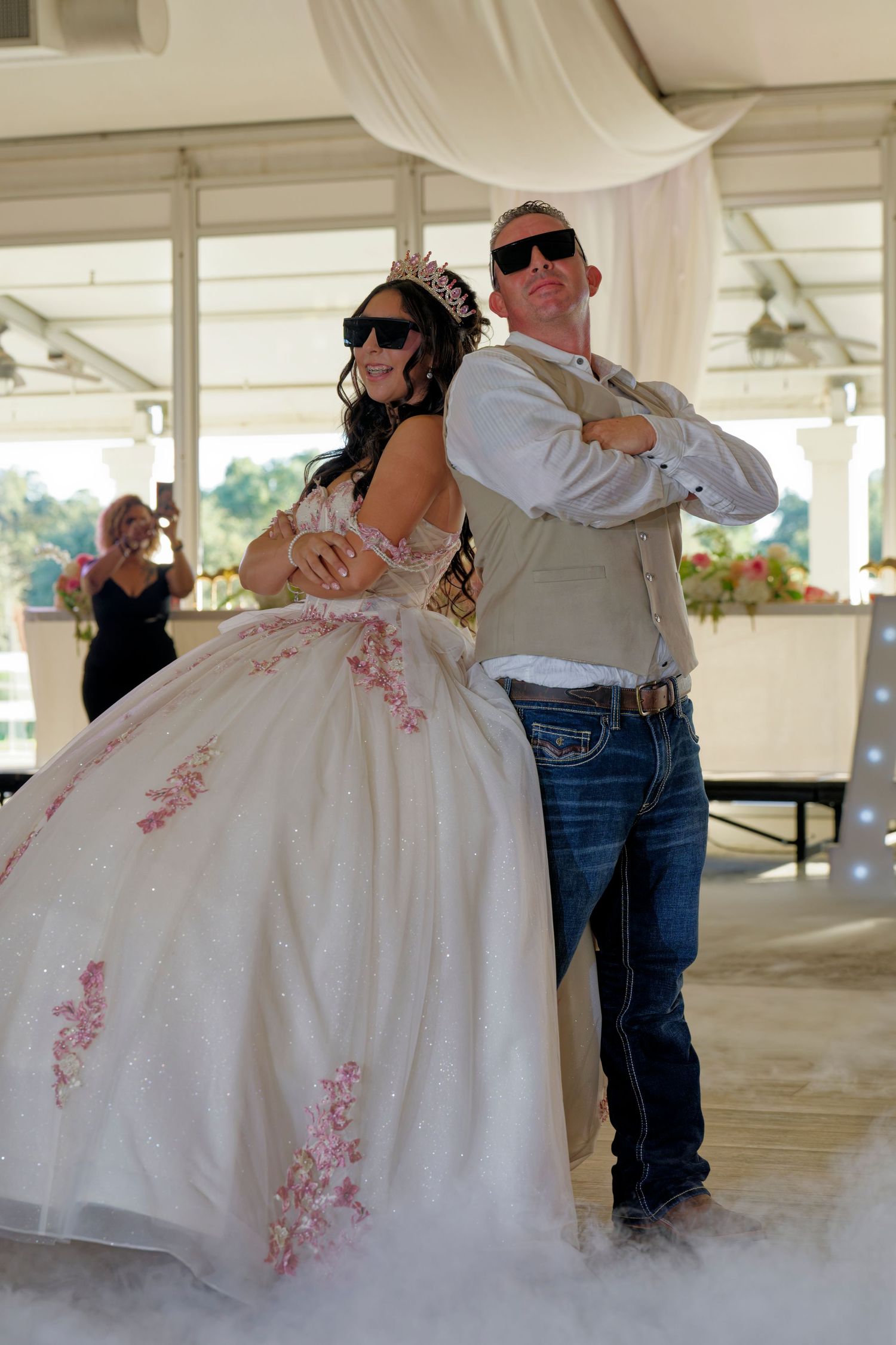
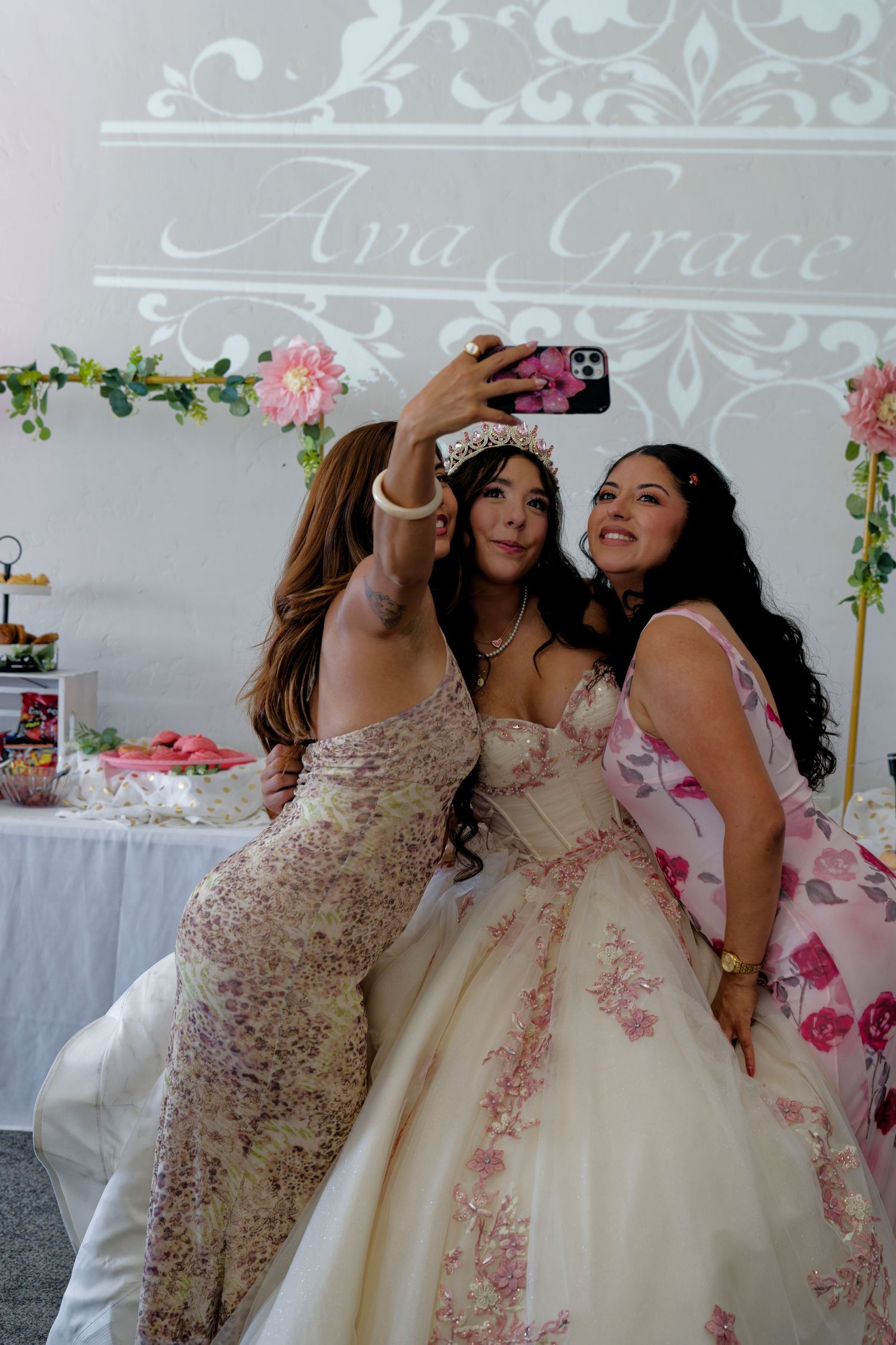
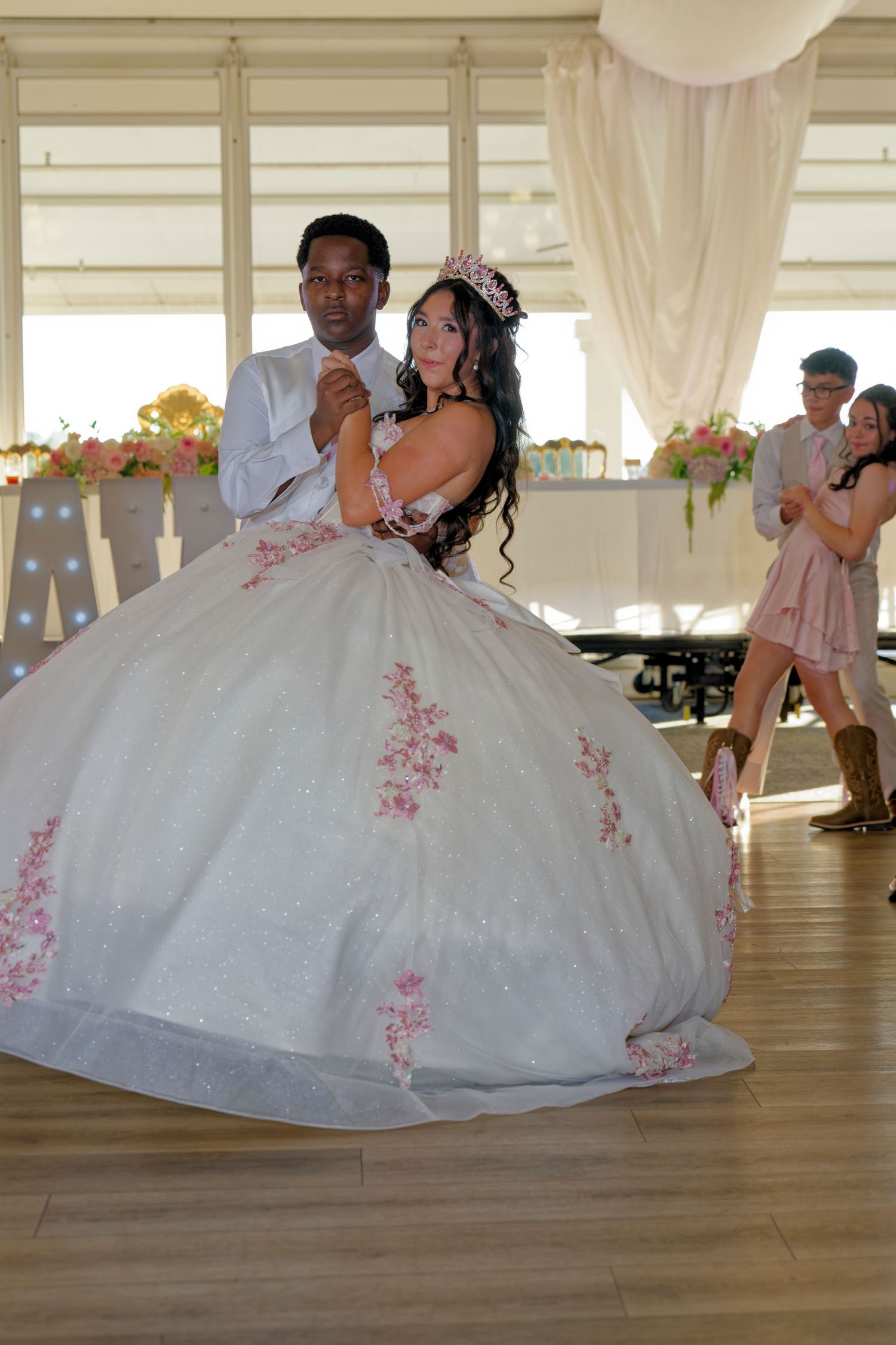
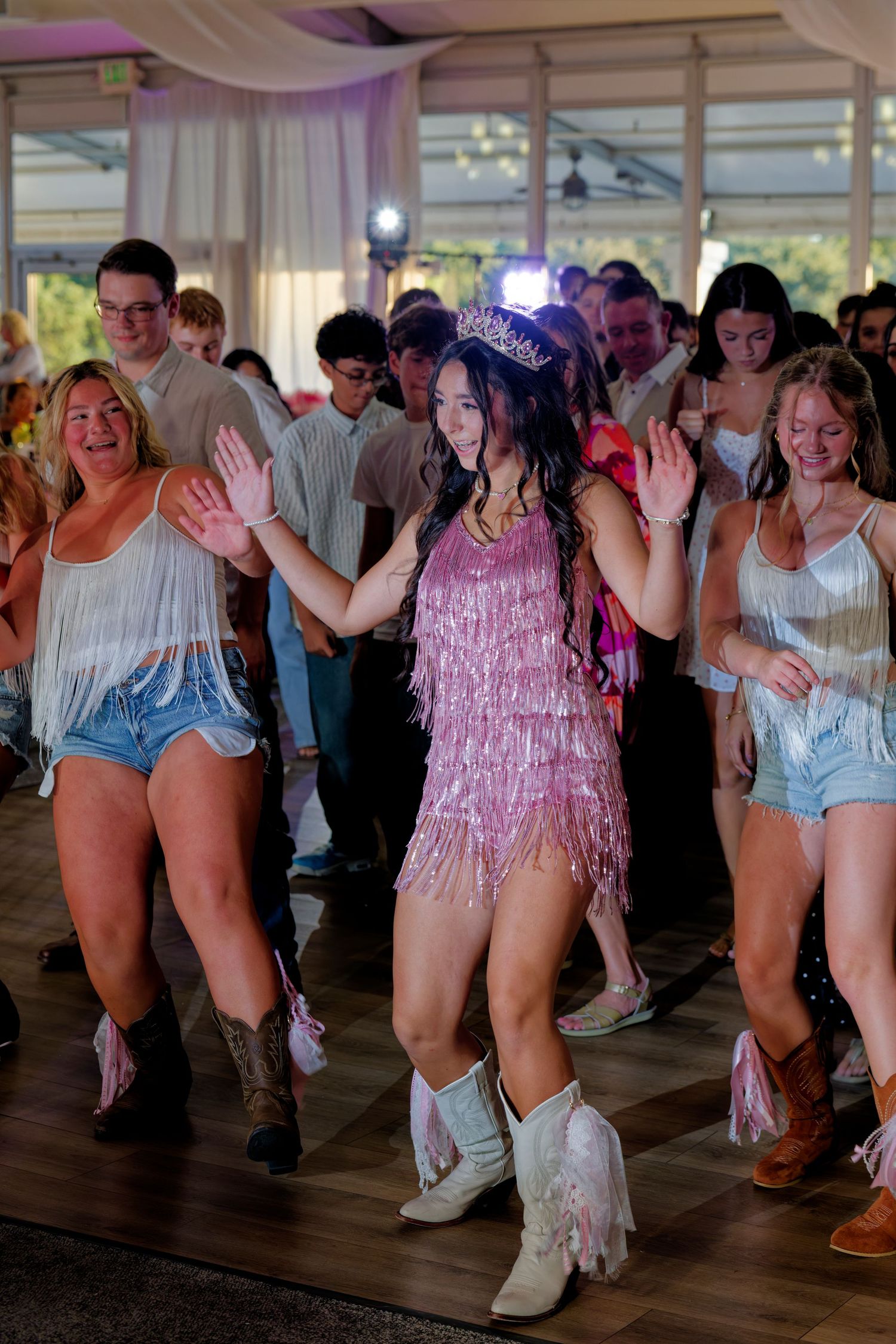
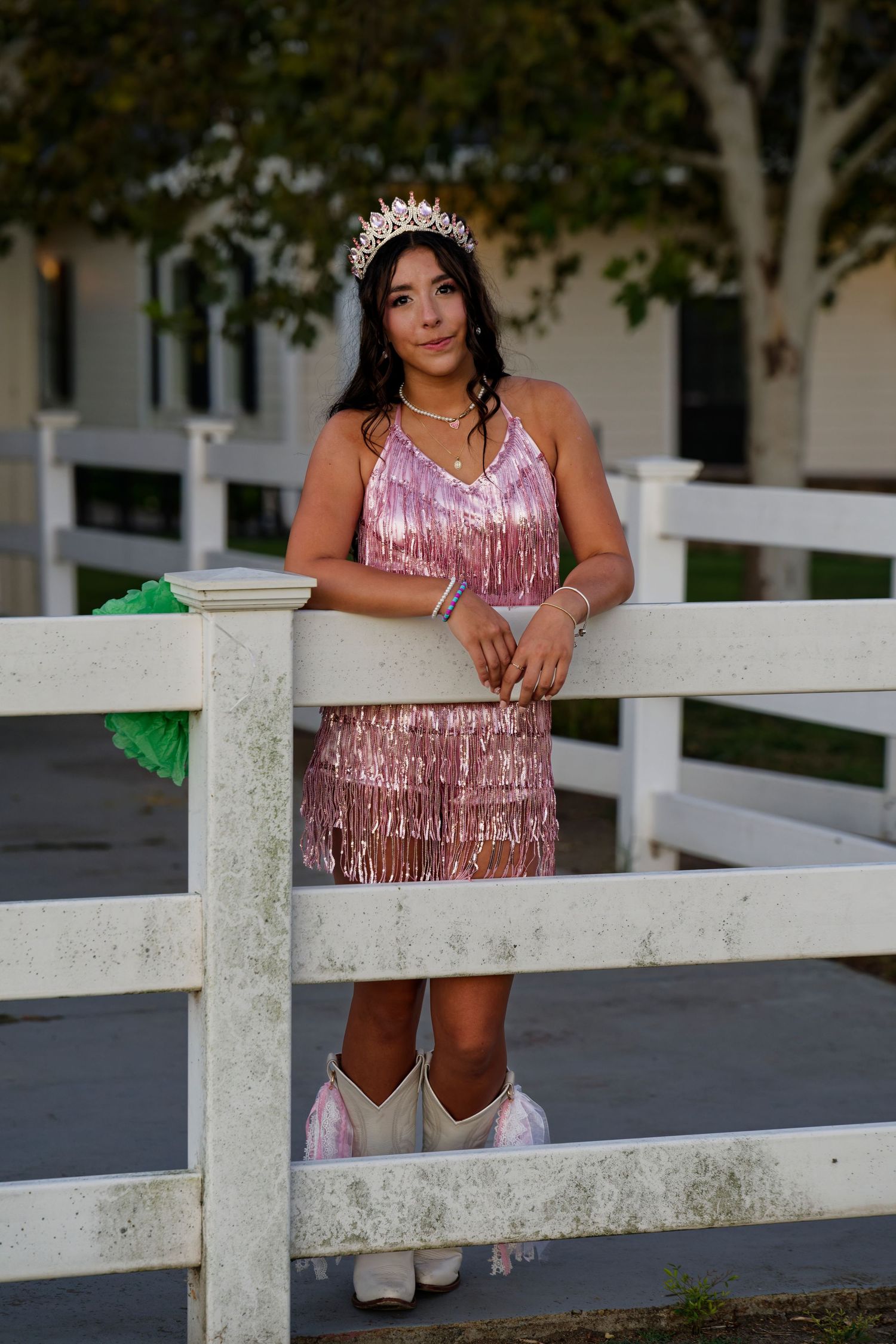
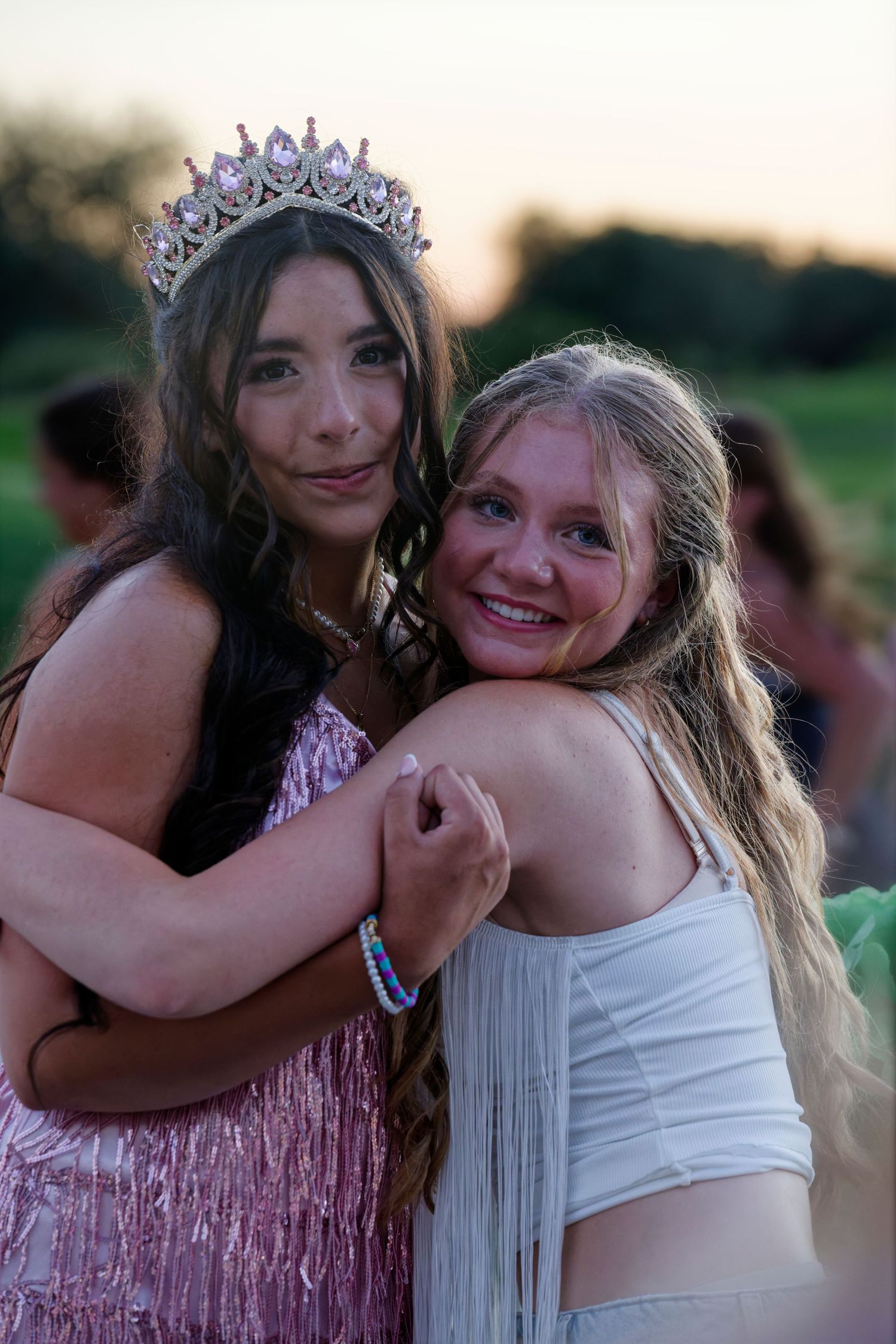
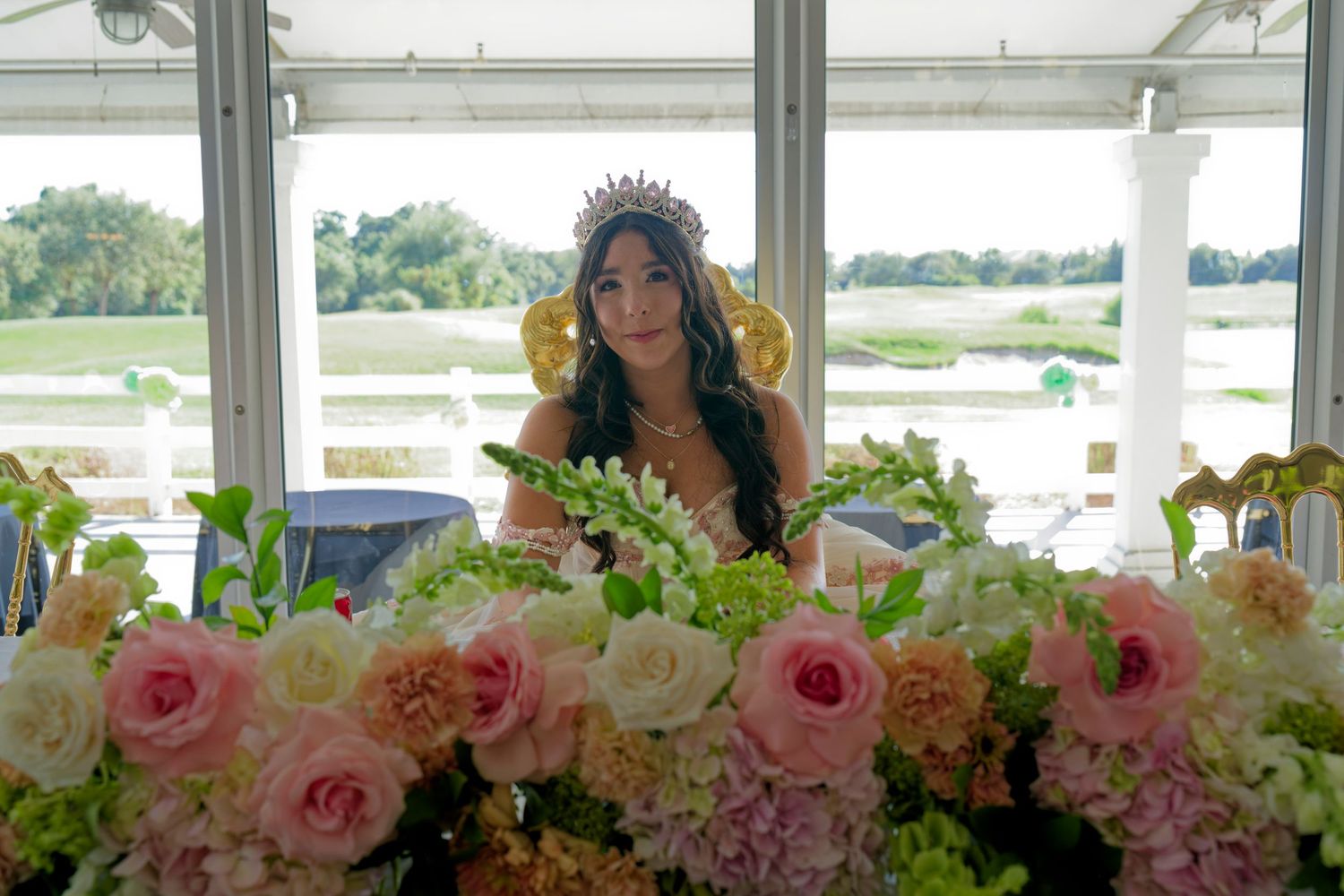
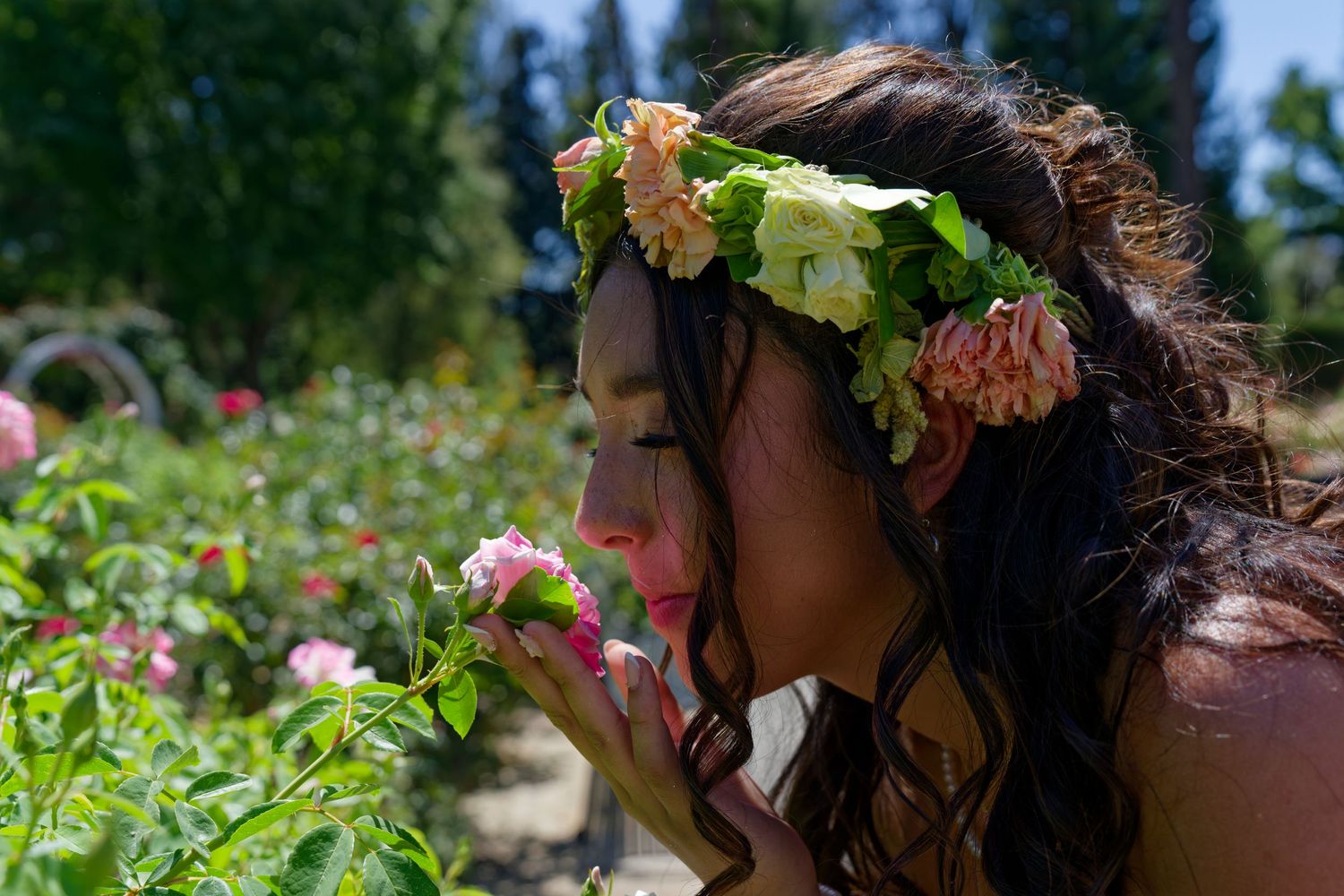
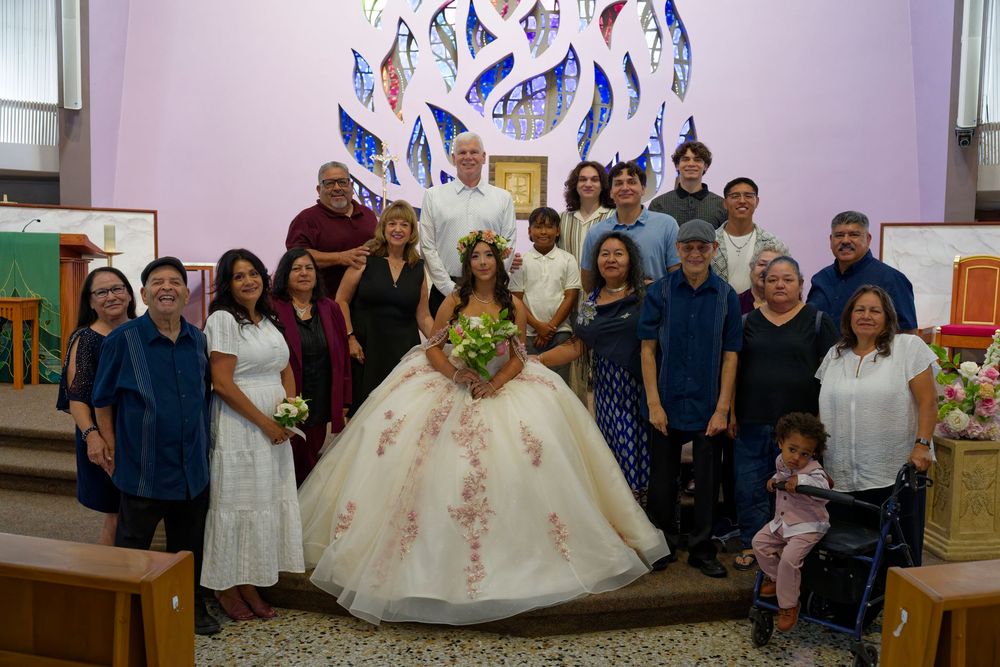
It is easy to get caught up documenting the polished surface elements—the elaborate floral arrangements, the tiara, the pristine table settings, and the dynamic stage lighting. While those detail shots honor the months of preparation behind the event, they are ultimately just the backdrop. A photograph's true long-term value lies in its emotional resonance. Decades later, a family rarely looks back at an album to examine the centerpieces; they look back to feel the joy of a grandparent on the dance floor, the subtle pride of a parent watching their child grow, or shared laughter among cousins. The real job of an observer—photographer or otherwise—is to look past the grand production and capture the raw, quiet bonds that connect us.
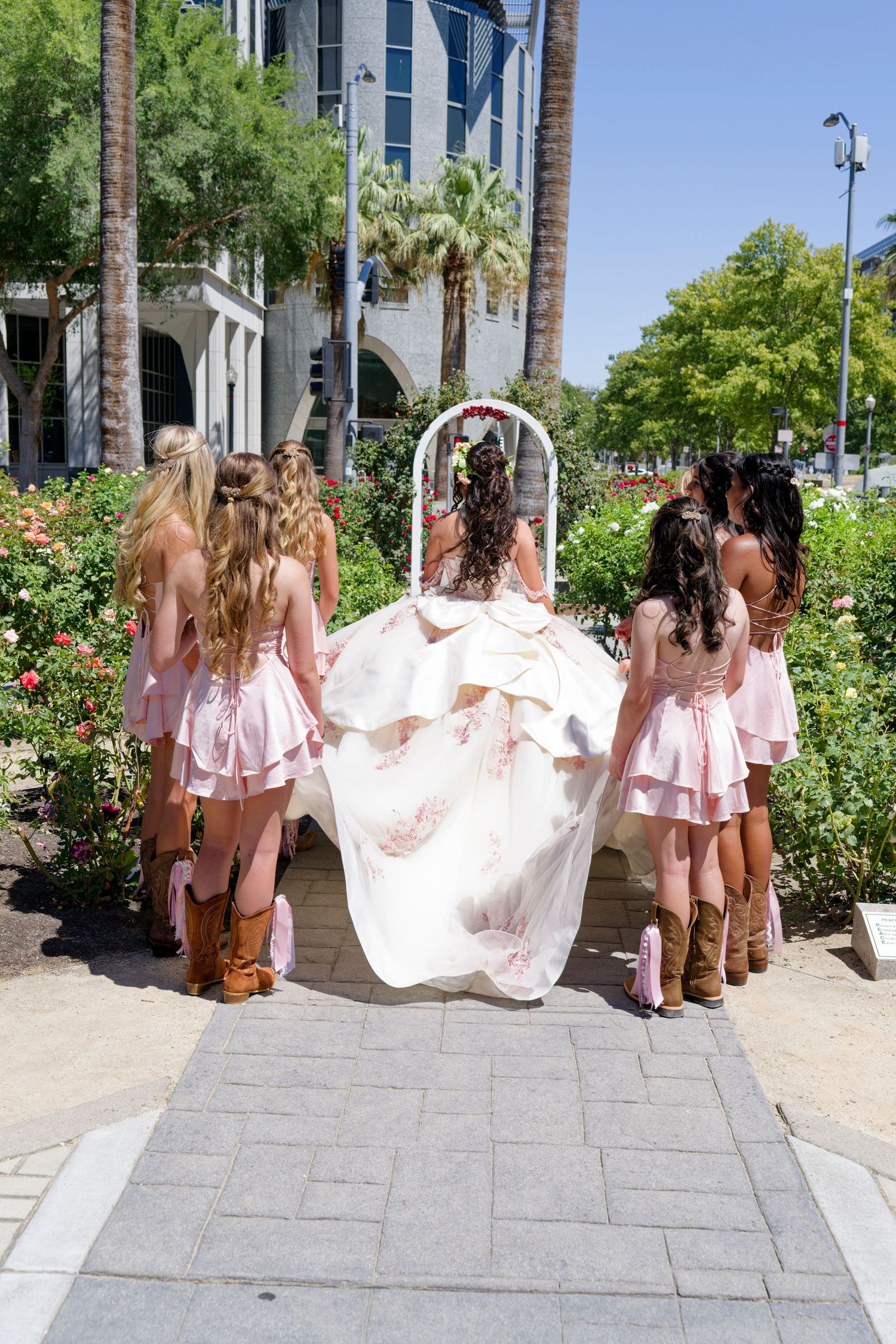
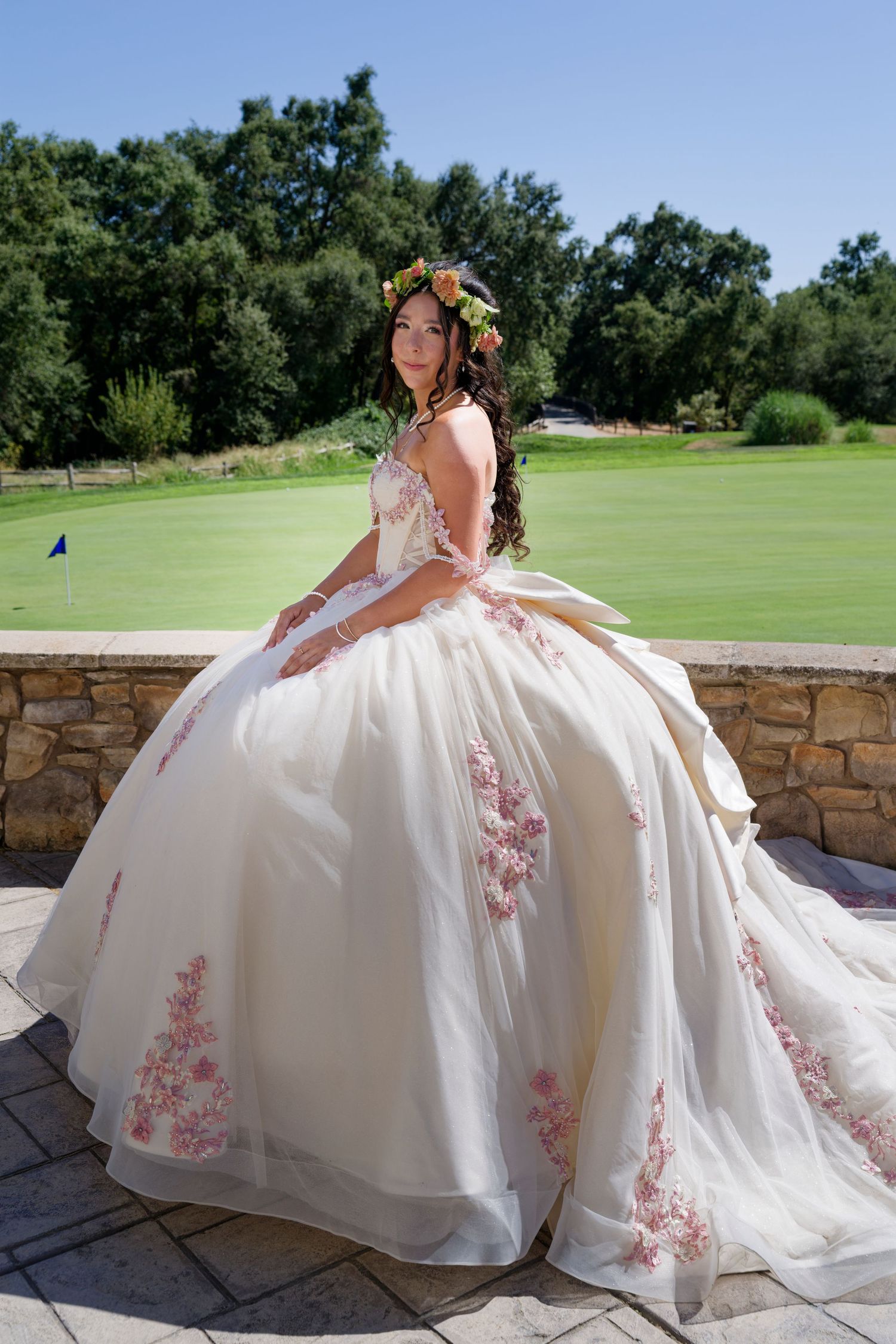
The Big Picture
At its core, capturing a monumental event isn't about managing gear—it's about honoring human connection through intense presence, rapid adaptation, and empathy. When you strip away the camera bodies and lenses, the core lesson applies to almost every aspect of life: thorough preparation gives us freedom, constraints sharpen our problem-solving, and the most meaningful moments are almost always the unscripted ones. In a world increasingly focused on staged perfection and curated highlights, how often are we truly present enough to notice—and preserve—the fleeting, genuine moments happening right in front of us?